The Evolution of Truck Driver Communication: How Do Truckers Communicate?
Published: 02.02.2025
The Evolution of Truck Driver Communication: How Do Truckers Communicate?
In the ever-evolving world of transportation, effective communication among truck drivers is crucial for the smooth operation of the logistics industry. Over the years, the methods of communication used by truckers have undergone significant changes, adapting to technological advancements and industry needs. From the early days of simple hand signals and CB radios to the modern era of sophisticated GPS systems and mobile apps , truckers have embraced a variety of tools to stay connected and informed while on the road.
This article explores the fascinating evolution of truck driver communication, delving into the different methods and technologies that have shaped the way truckers communicate with each other, dispatchers, and other stakeholders in the industry. By understanding the history and current trends in truck driver communication, we can gain valuable insights into the challenges and opportunities that lie ahead in this dynamic field.
Join us on a journey through time as we explore the past, present, and future of truck driver communication , and discover how these advancements have revolutionized the way truckers navigate the highways and byways of the modern world.

The History of Truck Driver Communication
Truck driver communication has evolved significantly over the years, adapting to the changing needs and technologies of the transportation industry . In the early days of trucking , communication between drivers and dispatchers was limited to basic methods such as hand signals, written notes, and payphones. This rudimentary form of communication often led to delays and misunderstandings, highlighting the need for more efficient and reliable communication systems.
As technology advanced, the introduction of two-way radios revolutionized truck driver communication. Two-way radios allowed drivers to communicate with dispatchers and other drivers in real-time, improving coordination and efficiency on the road. This innovation not only enhanced safety but also streamlined logistics and delivery processes.
With the rise of mobile phones and the internet, truck driver communication entered a new era of connectivity. Mobile phones enabled drivers to stay in constant contact with dispatchers, customers, and loved ones, enhancing communication and providing a sense of security while on the road. The internet further transformed communication by enabling the use of GPS tracking, messaging apps , and online load boards, making it easier for drivers to find loads, plan routes, and communicate with their peers.

Today, truck driver communication continues to evolve with the integration of advanced technologies such as telematics, ELDs (Electronic Logging Devices), and fleet management systems. These technologies not only improve communication but also provide valuable data insights that help optimize operations, reduce costs , and enhance overall efficiency in the trucking industry.
The history of truck driver communication is a testament to the industry's constant pursuit of innovation and improvement. By embracing new technologies and communication tools, truck drivers can stay connected, informed, and safe on the road, ensuring the smooth and efficient operation of the transportation network.
Modern Communication Technologies for Truckers
In today's fast-paced world, truck drivers rely on a variety of communication technologies to stay connected while on the road. Gone are the days of relying solely on CB radios for communication; modern truckers have access to a range of advanced tools that help them stay in touch with dispatchers, fellow drivers , and loved ones.



One of the most common communication tools used by truckers is the mobile phone. With the widespread availability of smartphones, truck drivers can easily make calls, send texts, and access the internet from virtually anywhere. Many trucking companies provide their drivers with company-issued smartphones equipped with GPS tracking and communication apps to streamline operations and ensure efficient communication.
Another essential communication technology for truckers is the use of two-way radios. While CB radios are still used by some drivers, many have upgraded to more advanced two-way radio systems that offer clearer communication and longer ranges. These radios allow truckers to communicate with each other, share important traffic updates, and coordinate deliveries more effectively.
In addition to mobile phones and two-way radios, truckers also rely on telematics systems for communication and data collection. These systems, often integrated into the truck's onboard computer, provide real-time information on vehicle performance, driver behavior, and route optimization. Telematics systems help truckers stay connected with their fleet managers, receive updates on delivery schedules, and ensure compliance with regulations.


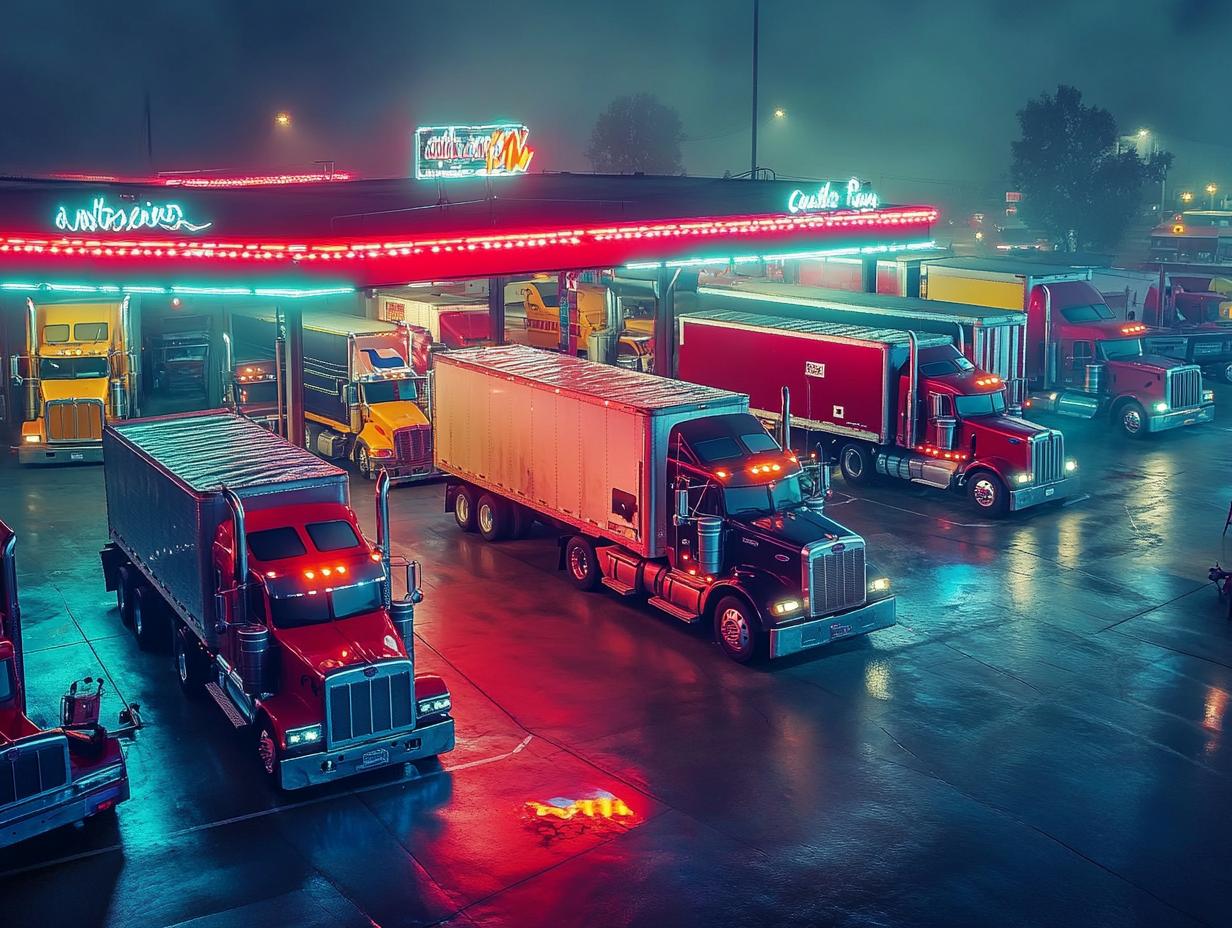

As technology continues to evolve, truckers can expect even more advanced communication tools to enhance their efficiency and safety on the road. From satellite communication systems to cloud-based messaging platforms, the future of truck driver communication is bright and full of possibilities.
Challenges and Solutions in Truck Driver Communication
Truck driver communication has evolved significantly over the years, with technology playing a crucial role in shaping how truckers communicate on the road. While traditional methods like CB radios and hand signals were once the primary means of communication, modern truckers now have access to a wide range of advanced communication tools such as GPS systems, mobile phones, and communication apps.
However, with these advancements come new challenges. One of the main challenges faced by truck drivers is the need for real-time communication with dispatchers, fellow drivers , and other stakeholders in the supply chain. Poor reception in remote areas, limited network coverage , and communication breakdowns can all hinder effective communication, leading to delays and inefficiencies in the transportation process.

To address these challenges, trucking companies are increasingly turning to innovative solutions such as satellite communication systems, telematics devices, and fleet management software. These technologies enable truck drivers to stay connected even in remote areas, track their vehicles in real-time, and communicate seamlessly with their teams.
Another challenge in truck driver communication is language barriers, especially in an industry where drivers come from diverse backgrounds and may not all speak the same language fluently. This can lead to misunderstandings, errors in communication , and safety hazards on the road. To overcome this challenge, companies are implementing language training programs, multilingual communication tools, and cultural sensitivity training to ensure effective communication among drivers.
In conclusion, the evolution of truck driver communication has brought about both opportunities and challenges. By leveraging technology and implementing effective communication strategies, trucking companies can enhance communication among drivers, improve operational efficiency, and ensure a smoother transportation process.
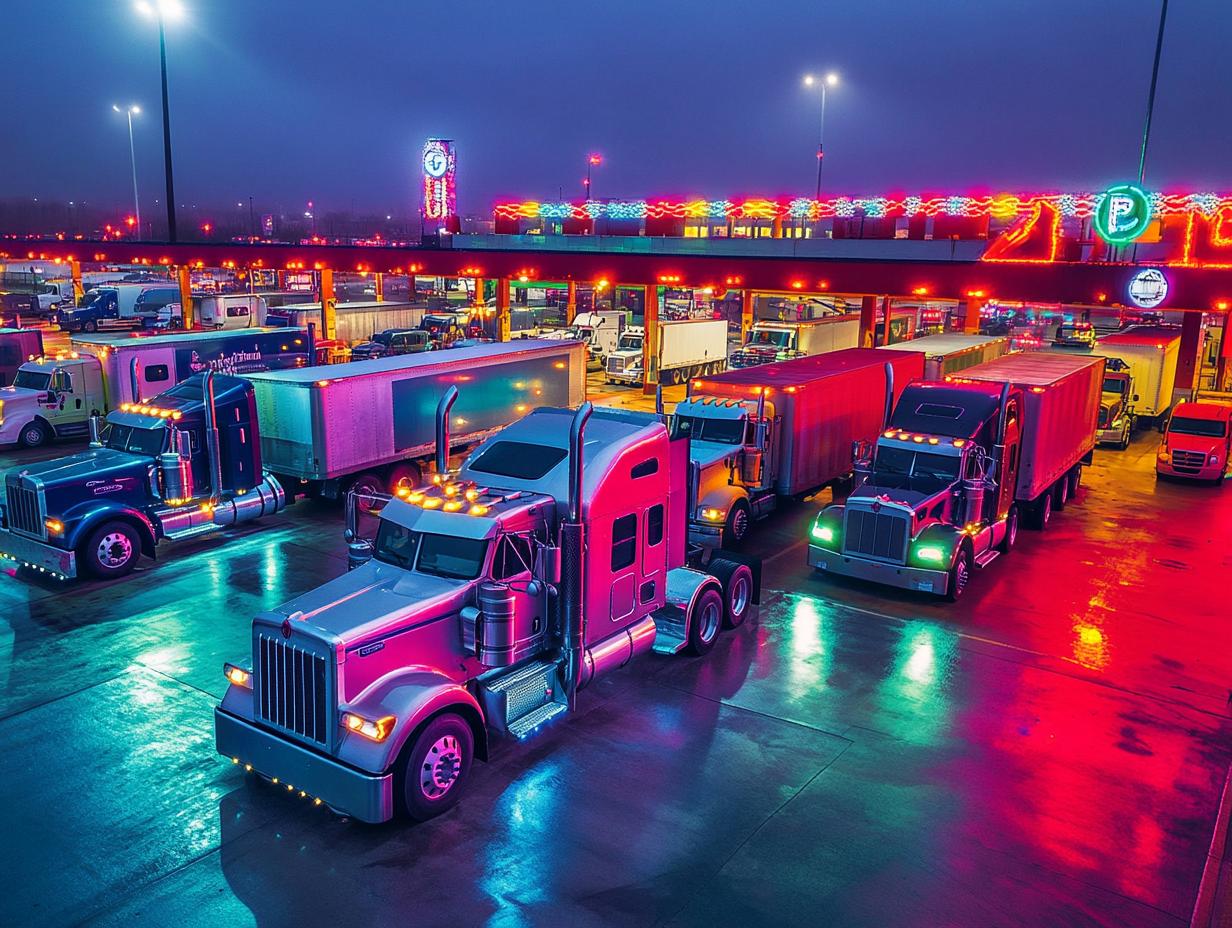
The Future of Truck Driver Communication
As technology continues to advance at a rapid pace, the future of truck driver communication is poised to undergo significant changes. Truckers have long relied on traditional methods of communication such as CB radios and hand signals to communicate with each other on the road. However, with the advent of new technologies, the way truckers communicate is evolving.
One of the key developments in truck driver communication is the integration of telematics systems in commercial vehicles. These systems allow for real-time communication between drivers, fleet managers, and dispatchers, improving efficiency and safety on the road. Telematics can provide valuable data on vehicle performance, driver behavior, and route optimization, leading to better decision-making and overall fleet management.
Another emerging trend in truck driver communication is the use of mobile apps and software platforms designed specifically for the trucking industry. These apps can facilitate communication between drivers, shippers, and receivers, streamlining the logistics process and reducing delays. Features such as GPS tracking, electronic logging, and instant messaging enable truckers to stay connected and informed while on the road.
Looking ahead, the future of truck driver communication may also include the integration of artificial intelligence and automation technologies. AI-powered systems can analyze vast amounts of data to predict maintenance needs, optimize routes, and improve fuel efficiency. Automation technologies such as platooning and autonomous vehicles have the potential to revolutionize the way goods are transported, leading to safer and more efficient operations.
In conclusion, the future of truck driver communication is bright, with technology playing a crucial role in shaping the industry. By embracing new technologies and innovations, truckers can enhance their communication capabilities, improve operational efficiency, and ensure a safer and more sustainable future for the transportation industry.
Реклама

Популярные новости
Реклама

Календарь новостей
Меню сайта
Реклама

Архив новостей
Реклама